8 Ways Realtors Help Buyers Find Their Dream Home With Rehab Loans

Buying a home is one of life’s most exciting milestones, but what happens if your dream home needs some serious updates or repairs? Instead of settling for a home that’s move-in ready but not quite right, consider a rehab loan to transform a fixer-upper into your dream home. Realtors are instrumental in helping buyers navigate this path, making the process easier and more rewarding. Here’s how they help you find the perfect property and secure a rehab loan to create your dream space.

1. Identifying The Right Property

Realtors can help you spot potential in homes that others might overlook. A home that needs repairs or renovations can sometimes scare off buyers, but a knowledgeable Realtor will see beyond the surface flaws and assess the true value of the property. They can guide you toward homes with good bones that can be transformed with a little (or a lot) of work.

2. Understanding Rehab Loan Options

Rehab loans, such as FHA 203(k) or Fannie Mae’s HomeStyle Renovation loans, allow buyers to bundle the cost of purchasing a home with renovation expenses. A Realtor can explain the differences between various loan types, connect you with experienced mortgage professionals, and help you choose the best financing option based on your situation.

3. Finding Homes Eligible For Rehab Loans

Not all homes qualify for every rehab loan. Realtors have the expertise to identify which properties meet the specific requirements for rehab loans. For example, FHA 203(k) loans have certain eligibility criteria that the property must meet, such as the type of repairs and the amount needed for renovations. A Realtor can ensure that you’re only looking at homes that are eligible for the type of financing you’re interested in.

4. Helping You Visualize the Possibilities

Many homes in need of renovation are sold “as-is,” meaning the seller won’t make repairs before the sale. This can make it hard for buyers to see the home’s full potential. A seasoned Realtor can help you visualize what the home could become with the right updates. They can also connect you with contractors and renovation experts to get realistic estimates for the work.

5. Negotiating A Fair Price

Because homes in need of renovation often have lower listing prices, there’s room for negotiation. Your Realtor will use their expertise to ensure that you’re getting a fair deal based on the condition of the home and the estimated cost of repairs. They’ll also help structure your offer so that it aligns with the requirements of a rehab loan.

6. Coordinating With Lenders & Contractors

Navigating a rehab loan requires coordination between the buyer, lender, and contractor. Realtors serve as your point person, making sure everyone is on the same page and that the renovation process starts as smoothly as possible after the sale. They can recommend trusted lenders who specialize in rehab loans and contractors who are familiar with the loan’s requirements.

Realtors & 203k Consultants Also Work Together During The Rehab Process. Watch Here To Learn More!

7. Handling The Paperwork

Rehab loans come with extra paperwork, such as detailed renovation plans, contractor estimates, and approval forms. Realtors help manage the administrative side of things, making sure you don’t miss important deadlines or overlook critical documentation. Their experience helps prevent delays and ensures the process moves forward efficiently.

8. Guiding You Through The Renovation Process

Even after closing, your Realtor remains a valuable resource as you begin the renovation process. They can offer advice on how to increase the home’s value, recommend reliable contractors, and provide insights on local building codes and permits. Their goal is to help you maximize your investment and turn the property into the home of your dreams.

A rehab loan opens a world of possibilities for buyers who are willing to take on a fixer-upper and transform it into their ideal home. With the help of a knowledgeable Realtor, navigating this complex process becomes much simpler. From finding the right property to securing financing and guiding you through renovations, Realtors are your partners in creating a dream home from the ground up. If you’re ready to consider a home rehab loan, connect with a realtor today to start your journey!

Contractors: Having Issues? Talk To Your 203(K) Consultant

As a HUD 203(k) Consultant, one of the main things I see that can sabotage the contractor/borrower relationship is not getting the 203(k) Consultant involved if an issue comes up during the home renovation.

Let me give you an example. During a renovation project, a borrower had the vision of opening a wall to create an open floor plan between the dining room and kitchen. However, that vision was not in the original Specification of Repair (SOR) the contractor bid on in the Work Write Up. So, the borrower and the contractor agree to open the wall for an out-of-pocket fee.

When I was called in to perform the Draw Request (draw inspection), the wall was opened. Since I, the 203(k) consultant, was not notified in advance of the change in the SOR, the contractor may not get paid from the Lender for the work that they have completed.

This is why communication with your consultant is important. If I had been notified earlier, I would have reminded the contractor that any changes in the SOR, must be approved BEFORE the work can commence by the Lender. I would also remind the contractor that any work performed outside the SOR, may cause unnecessary delays to the borrower’s rehab project, since no co-mingling can occur per the Lender’s signed agreement at closing.

The moral to the story is that I am here to assist the borrower AND contractor so everyone can get through a project with very little friction. Contractors, please reach out to your 203(k) consultant to avoid any problems with you getting paid.

All the best!

Want to learn more? Watch this quick Youtube video!

CELEBRATE NATIONAL HOMEOWNERSHIP MONTH

June 1, 2021,

As residential building consultants and home owners celebrate National Homeownership Month in June, your local certified NAFHAC member Walter L. Williams (HUD ID # P1528) wants you to know that in addition to having a place to call home and a sense of community, many people buy or refinance homes in need of renovation to help build their wealth.

Research shows that most households view housing as a good investment in comparison to the stock market. According to a recent study by the Federal Reserve Bank of New York, when asked whether a young couple should buy a primary residence or invest in the stock market more than 90% of the survey respondents chose housing.

With the ever-climbing cost of new “move-in ready” homes, many first time and even trade-up buyers are looking into creative ways to “have their cake and eat it too!” Rehab loans for purchase or refinancing mortgages can be that delicious solution.

“Many homeowners now see their homes in new and expanded ways- workplace, school room, and other important needs. With rehab loans, living spaces can be changed and improved upon. These enhancements also enhance the property value as well as enjoyment for American families” said Catherine Hall, Executive Director of NAFHAC. “In addition to an investment opportunity, owning a home represents a big part of the American Dream. Buying or Refinancing a home with renovation mortgage like the 203k or Fannie Mae Loan also has a powerful added benefit to the entire community. With rehab loans, together we are Rebuilding Neighborhoods One Home At A Time.

More information is forthcoming.

#203kconsultants#NAFHAC#203kdiscoverydays#203kproject#203klender#203krehab#203kloan#203kcontractor#renovationproject#renovationloans#homerenovationloan#203kconsultant#203krehabloan#203kloans#fhaloan#fha203k#generalcontractors#homeinspectors#homeinspections#buildingdesign#residentialdesign#homedesign#fanniemae#fanniemaehomestyle

What a Summer – 2021

Spring 2021:

As we continue to recover from the Covid-19 issue, I wanted to give you an update on current, upcoming events and opportunities.

Safe Practices continues

As a reminder, People, Places & Things LLC and PPT Inspections are still operating safe practices until the end of the year. These safe practices including the following…

  • Clients should limit the number of people attending inspections to as few, as necessary.
  • All parties should meet the inspector in front of the property- NOT inside the property.
  • Inspectors will provide disposable (non-vinyl) gloves for each participant (if needed). Masks will not be provided but may be brought and worn if desired.
  • All gloves used during inspection will be collected and disposed of immediately upon exiting the home.
  • Sanitary wipes and/or hand sanitizer will always be accessible during the property inspection.

It is important to recognize that as home inspectors and rehab consultants, we are entering homes and touching surfaces that may be contaminated by this virus. During the entire process, we need to stay focused on the home buying activity and the process of the inspection.

“New Decade – New Home Seminar Series

This educational series was schedule for various times in 2020, but was cancelled due to Covid-19. This year, we will start our series next month during National Homeownership Month. This “Online” presentation will included valuable information that can benefit the housing professionals. For more information, please click on the link:

https://www.facebook.com/pptunisoul

More detail information is coming to you soon.

That is all for now.

#203kconsultants #NAFHAC #203kdiscoverydays #203kproject #203klender #203krehab #203kloan #203kcontractor #renovationproject #renovationloans #homerenovationloan #203kconsultant #203krehabloan #203kloans #fhaloan #fha203k #generalcontractors #homeinspectors #homeinspections #buildingdesign #residentialdesign #homedesign #fanniemae #fanniemaehomestyle

A PAUSE…

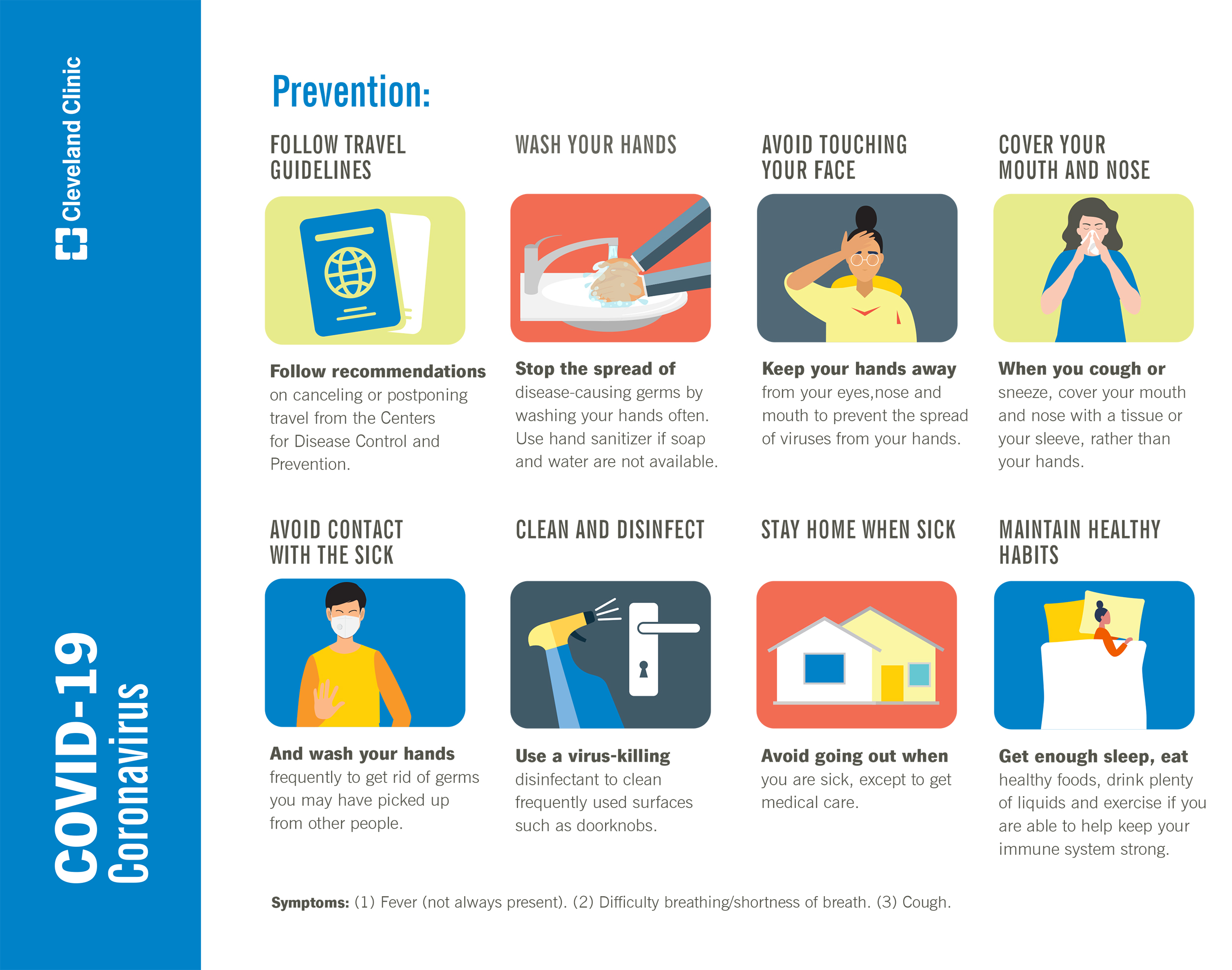
Prevention-Graphic

The Covid 19 Pandemic is real…

Whether you personally ascribe to the validity or severity of the crisis, others are. For that reason, I believe it is time to start taking actions to provide calm and confidence to our employees, clients, referral partners and the community in general.

These are the actions that PPT Inspections are implementing in order to assist with your protection during property inspections. That these measures include the following:

  • Clients should limit the number of people attending inspections to as few as necessary.
  • All parties should meet the inspector in front of the property- NOT inside the property.
  • Inspectors will provide disposable (non-vinyl) gloves for each participant. Masks will not be provided but may be brought and worn if desired.
  • All gloves used during inspection will be collected and disposed of immediately upon exiting the home.
  • Sanitary wipes and/or hand sanitizer will always be accessible during the property inspection.

It is important to recognize that as home inspectors, residential designers or rehab consultants, we are entering homes and touching surfaces that may be contaminated by this virus. During the entire process, it should be stressed that conversation should NOT include discussion of the current health situation/crisis (everyone knows it by now) but stay focused on the home buying activity and the process of the inspection.

By using reasonable, common sense practices, we are showing our customers that it is “business as usual”- with a few adjustments. Your referral partners and clients will appreciate your pro-active efforts on their behalf and will see you as the calm, caring professional who knows the importance of their home buying process but also recognizes the need for extra precautions during this time.

I hope these suggestions will be useful to you over the next weeks and months – as the situation resolves.

If you have any tips or suggestions, please comment and remember, we are all in this together.

Sincerely,

Walter L. Williams – President

People, Places & Things LLC – Residential Design, Architectural Drafting and Space Planning

PPT Inspections – Home Inspection, Building / Site Inspection and HUD 203k Consultant


Happy Valentine’s Weekend!!!

Hearts

I hope everybody had a nice “Valentine’s Day”. So, let me give you an update…

Back in the new year, you were eligible to get an 10% discount off the following services…

“Home Inspections Services”

and

“Residential Design Preliminary Services”

We’ll because I’m still in a loving mood, I’m extending the sale until the end of the month. Just mention the discount before services rendered.

Enjoy your Valentine’s Weekend.

What can I do for you in 2020?

2020

Happy New Year!!!

A new year and a new decade is upon us and as I had time to reflect, I have a lot to be thankful for. Since everybody gives a “New Year’s Resolution(s)” I was thinking on what kind of resolutions can I give myself. After thinking about it, I concluded that the best “New Year’s Resolutions” that I can give to myself is to give to others.

So, here are my best “New Year’s Resolutions” that I can give to you…

Resolutions #1 – To all the “First Responders” (Active Military, Veterans, Police, Fire) I’m giving you a 10% discount off the following services:

“Home Inspections Services”

and

“Residential Design Preliminary Services”

Just produce documentation supporting your claim as a “First Responders” and you will receive your 10% discount.

Thank you for your service protecting us.

This resolution will end on December 31, 2020.

Resolutions #2 – Now until “Valentine’s Day, 2020”, I’m giving the same 10% discount off the same services just like the “First Responders” to everyone else…

However, this resolution will end on Valentine’s Day, February 14, 2020 for everyone who is not a “First Responder”.

That’s all for now. Enjoy ringing in the New Year and let’s get ready to go to work.


Why a “Renovation Loan” Works For You – Part 5 – The most important player in the rehab home renovation process.

Part 5 – Rationale:

You get a phone call from a potential buyer or from a lender asking the question – Can you do a 203K Work Write Up? Normally the answer should be “Yes”. However, after getting the information on the details of the project, I ask this question, “Has the buyer selected a general contractor?”

Well…

This may sound absurd but the most important person on this process is not the lender (whom controls the loan and distributes the funds) nor the borrower (whom found the home and will be paying the mortgage) but you guess it, it’s the general contractor.

The role of a General Contractor

contractor 1

Most rehab lenders have a standard procedure to assess a contractor’s eligibility. A general contractor is required to submit cost estimates along with the license documentation, a copy of the commercial liability insurance policy needs to be submitted for approval. It does not hurt to have references, credentials and financial data at the ready, if asked from the lender.

Then an agreement is reached with the contractor to complete the work at the agreed price within the stipulated timeframe. An IRS w-9 form must also be collected for the general contractor and for any other vendors involved in the completion of the renovation work. This step is necessary prior to release of any fund advance to the contractor for initiation of the repair work.

A general contractor is expected to complete the proposed work in accordance with the details outlined in the written estimate, homeowner/contractor agreement and approved change orders. All the repair work and improvements should be completed under the applicable local codes and ordinances. Several permits are necessary and must be secured prior to beginning any concerned work. All payments required for permits will generally be listed in the 203k contractor’s bid sheet.

Contractors need to understand the following

The borrower is responsible for approving, selecting and hiring whichever contractor they want, however for a large construction project, I recommend at least three contractor’s bids, including the borrower’s contractor. Why? Because as the borrower, you will have to live with the results after the contractors collected their payments and the borrower will have to pay on the mortgage. During the construction process, there will be issues that we all have to agree on. In addition, each contractor bid will not come out the same price, but the scope of work will have to be the same as the Preliminary Work Write Up (Feasibility Study). The lowest bid does not mean the borrower will select that contractor. That contractor may have to explain how they got those numbers. My job as a consultant is to review each of proposed cost in thorough detail. It is my responsibility to ensure that the repair costs are acceptable and within reasonable estimates. Anything that is deemed to be excess or unnecessary is resolved on consultation with the borrower, contractor and the lender.

The compensation structure setup by these types of loans does not always permit contractors to receive pre-renovation deposits/start-up funds. This is very important, general contractors must be financially capable of affording the start-up costs and ongoing expenses with any rehab renovation project. Ample credit lines with suppliers and subs and/or sufficient capital/reserves will be verified as part of the certification process.

So, how do the general contractors get paid?

contractor 2

The contractors are paid in a series of draws by the borrower’s lender through escrowed funds. At closing, the lender places the rehab/improvement funds into an escrow account. The general contractors need to be as knowledgeable as possible regarding the rehab process. The exception that a general contractor will receive funds at startups is the FHA 203k Limited. The general contractor receives a maximum of two (2) payments. After closing on the home, contractors may receive a portion of the job cost (maximum 50%) as a pre-construction payment, subject to lender approval but may take weeks to arrive. Therefore, contractors must be financially capable of affording all the start-up costs and a portion of the ongoing expenses with the 203k project (ample credit lines with suppliers and subs and/or sufficient capital/reserves). Once all the work is complete, the contractors can request final payment of the remaining portion of the job cost according to the proposal that was submitted and approved by the borrower and the lender.